Consulate General of Mexico in New York presents the First Electronic Resources LGBTQ Directory for the Latino community
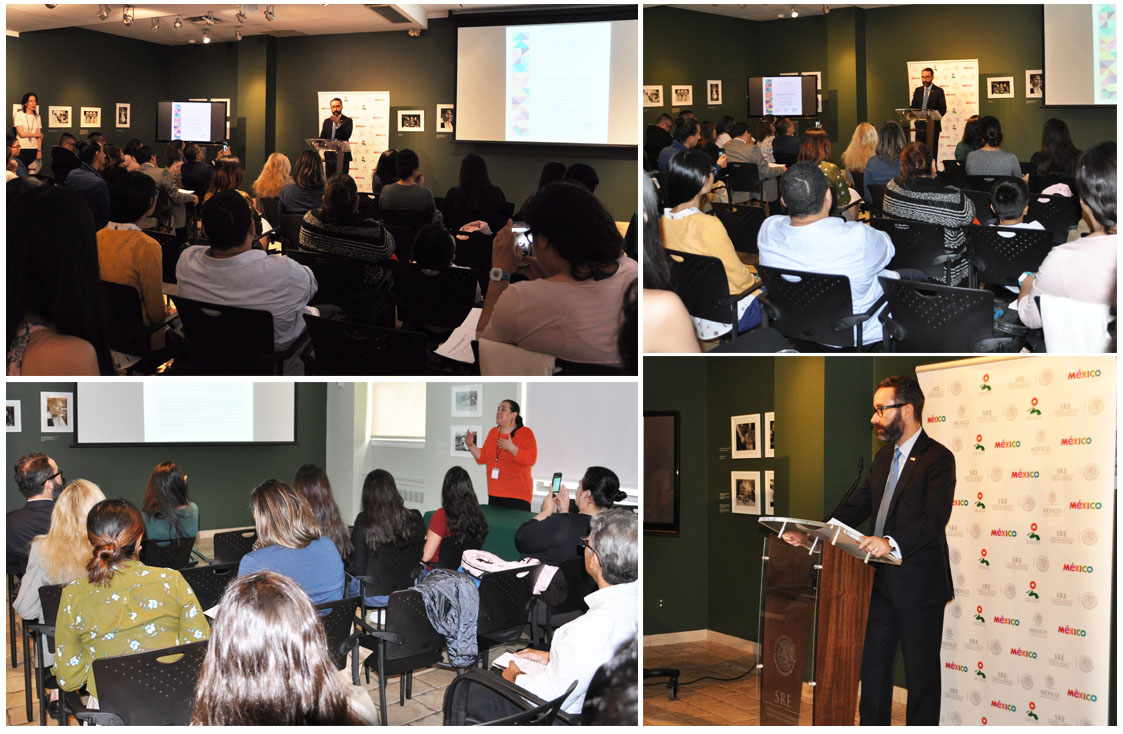
On Tuesday May 2nd, the Health Window of the Consulate General of Mexico in New York, officially inaugurated the first Tri State Area Electronic Resources Directory for the LGBTQ Community; an initiative in collaboration with the organizations: Latino Commission on AIDS, Make the Road New York, Iris House, The Mexican Coalition, and New York Knows of the New York Health Department, among others.
The Health Window and its allies, created this online tool – directed to the migrant Hispanic LGBTQ community in the Tri State Area of New York, New Jersey and Connecticut – to consolidate the available resources for this community.
The Electronic Directory includes: useful programs and services, as well as apt information regarding the topics prioritized by the Latin/Mexican LGBTQ community; organizations the offer specialized assistance; and web links that help promote physical and emotional health for the LGBTQ community and propitiate the defense of their rights.
For the official presentation, there were remarks from the Consul General of Mexico in New York, Diego Gomez Pickering, Guillermo Chacon, President of Latino Commission on AIDS; Ofelia Barrios, Senior Director of Community Health Initiatives of Iris House; Jairo Guzman, President of the Mexican Coalition; Vanessa Ramos, Director of Training and Development, NYC Office of Human Rights; and Josana Tonda, National Coordinator of the Consulate's Health Window.
Also, the attendees witnessed a brief overview of the Electronic Resources LGBTQ Directory, available in the Consulate’s website: https://goo.gl/VWvoj5
It is important to highlight that the recollected data was attentively revised and it provides culturally appropriate programs and services, as well as updated content regarding preventive health measures.
Discurso Español
- El día de hoy me complace anunciar el lanzamiento del directorio electrónico para la comunidad latina LGBTQ- una herramienta que incluye información práctica, descripción de servicios y listado de recursos que les será de gran utilidad para los latinos LGBTQ que viven en el área triestatal de Nueva York, Nueva Jersey y Connecticut.
- Quiero compartirles algunas cifras. De acuerdo con el Pew Research Center, los latinos representan el 17.4% del total de la población en 2014. Se estima que hay aproximadamente 1.4 millones de adultos latinos LGBTQ que viven en los Estados Unidos. La comunidad LGBTQ latina tiende a vivir en áreas en donde hay una mayor concentración de latinos y un tercio de las parejas latinas del mismo sexo viven en Nuevo México, California y Texas. Otros estados también con alta número de población latina LGBTQ incluyen Nevada, Arizona, Wyoming, Colorado, Nueva Jersey, Kansas, Florida, Nueva York y Washington DC., en muchos de los cuales no existen políticas de no discriminación basados en orientación sexual e identidad de género.
- La comunidad LGBTQ es una comunidad que hoy en día enfrenta muchos retos vinculados con (1) su situación migratoria - de acuerdo con un reporte del Center for American Progress del 2013 se calcula que hay por lo menos 267,000 personas de origen latino LGBT que son indocumentados y están más expuestos a situaciones de discriminación y abuso por autoridades - (2) la barrera del idioma y la dificultad en el acceso a servicios, (3) la inseguridad económica (3) la violencia y acoso en el terreno laboral, abuso de autoridades, el acoso y la violencia sobre todo para comunidad transgénero y (4) el VIH y la inequidad en salud: de acuerdo con cifras del CDC, los latinos están entre los grupos más afectados por VIH y representan el 21% de las nuevas infecciones de VIH. De las nuevas infecciones, 87% son hombres y 79% fue atribuido a contacto sexual entre hombres.
- Desde que inicié mi trabajo como cónsul general, una de mis prioridades ha sido el que los programas que ofrecemos en favor de la comunidad sean más inclusivos y están adaptados para la comunidad inmigrante hispana LGBTQ. El personal del consulado ha recibido varios entrenamientos en el tema de atención y sensibilización frente a esta comunidad y poder brindar así un servicio más incluyente.
- Asimismo en la VDS desde que se creó este programa en el 2007 el tema de VIH ha sido primordial y gracias al apoyo de nuestros socios que en breve mencionaré, ofrecemos pruebas, consejería, información y seguimiento y también damos servicios de orientación psicológica para dar información apropiada y canalización oportuna.
- Asimismo desde marzo de este año contamos una vez a la semana con la presencia de Bianey Garcia de Make the Road quien acude a dar información a la comunidad transgénero a la VDS.
- Pero creo que para avanzar y poder ayudar a combatir los retos que sufre la comunidad latina LGBTQ, nuestra estrategia principal debe ser la informar con objeto de hacer más visibles los recursos, los servicios de los cuales disponen y promover sus derechos. La información es el camino hacia la sensibilización y a la concientización. Lo que estamos presentando hoy servirá como base para continuar fortaleciendo las acciones preventivas. El trabajo detrás de este directorio es una prueba de ello pero mejor aún es una estrategia para combatir la desigualdad que enfrentan las comunidades migrantes hispanas LGBTQ y promover los recursos de los cuales disponen esta área.
- Ahora bien, todo este trabajo no hubiera sido posible sin el apoyo de nuestros aliados, sin el compromiso de los socios de la VDS cuya misión es ayudar a estas comunidades. Es el poder contar con una red de apoyo el que nos ha permitido avanzar en el tema de disparidades de salud y el que el día de hoy nos permite presentar esta valiosa herramienta de información.
- Esta es un directorio electrónico que se va a ir actualizando y para nosotros es muy importante incluir más servicios e información. Los invitamos a que lo revisen y nos den sus comentarios.
Agradecimientos
- A Guillermo Chacón, Daniel Leyva, Gustavo Morales y al todo el equipo de Latino Commission on Aids y de Oasis.
- A Bianey García de Make the Road NY
- A Lizbeth Melendez de Human Rights Campaign.
- A Victoria Orellana y Giuseppe Quispe de Harlem United
- A Amanda Phi y al equipo de New York Knows del Departamento de Salud de la Ciudad de Nueva York.
También reconocer y agradecer la presencia de los siguientes socios:
- Center for Immigrant Health de Memorial Sloan y la Coalición Mexicana, agencias responsables de la VDS que está en la sede del consulado y de la Unidad Móvil de Salud
|
|
|
|
|
|
|
|
|
|
|
|
|
|
|
|
|
|
|
|
Y a cada una de las organizaciones, hospitales, agencias de salud, abogados especializados que luchan por los derechos LGBTQ.
También quiero agradecer el apoyo del Instituto Cultural Mexicano, a su Directora Caterina Toscano y a Roberto Campos por su excelente trabajo como diseñador de este directorio.
Por ultimo agradecer al equipo de la Ventanilla de Salud del Consulado, Josana Tonda, Karina Escamilla, Leslie Martinez y Juanita Lara.
English Version:
Good morning everyone
- It gives me great pleasure today, to announce the launch of the LGBTQ Directory of Services for the Latino/Hispanic community living in the tristate area. This new directory will facilitate the access to health care services vital to the LGBTQ community living in New York, New Jersey and Connecticut, with links to key information, help-lines and referrals for specialized care.
- As one of the largest ethnic groups in the United States, Latinos and Hispanics make up 17.4% of the total U.S. population and subsequently approximately 1.4 million Latino and Hispanic adults identify as LGBTQ. Geographically, one-third of same-sex Latino/a couples live in New Mexico, California and Texas, while high percentages of LGBTQ Latino/Hispanic populations also include states as, Nevada, Arizona, Wyoming, Colorado, New Jersey, Kansas, Florida, New York and Washington, D.C. Notably, many of these states lack statewide non-discrimination protections on the basis of sexual orientation and gender identity, in spite of their significant LGBTQ populations.
- The LGBTQ community faces many discriminations and even more so the Latino/Hispanic Undocumented LGBTQ community. Undocumented LGBTQ persons have a higher rate of discrimination and, abuse and violence by local law enforcement agencies based on (1) their migratory status; there are approximately 267,000 undocumented LGBTQ individuals in the U.S. according to a recent study by the Center for American Progress, (2) language and cultural barriers, making it hard to access support services, (3) economic insecurity (4) unsafe workplace environment, violence and assault by employers or supervisors and targeted violence against the transgender community, and (5) HIV and health inequity, according to the CDC, the LGBTQ Latino/Hispanic community are among the highest groups living with HIV, representing 21% of new infections. Additionally, of these new infections, 87% are men and 79% of these were infected through sexual contact with other men.
- In my appointment as Consul General, it has been my priority for all our community services and programming to be more inclusive and accessible to the Latino/Hispanic LGBTQ community. Since, and as an institution, our staff and personnel has had LGBTQ Sensitivity trainings in efforts to provide a more comprehensive and inclusive service. Additionally, our VDS health service window welcomes Bianey Garcia from Make the Road New York, who provides weekly workshops and educational health information to our transgender community.
- As we continue to provide our services to the LGBTQ community, we understand that in order to overcome the barriers and discriminations faced by the LGBTQ community, our primary focus must be on making our services and programming more accessible and the dissemination of educational material on the rights of the LGBTQ community. Education and accessible information is vital to raising awareness and humanizing the plight of the LGBTQ community while creating a supportive community, sensitive and inclusive of all of its members. The LGBTQ Directory of services is one of the many steps we are taking here at the consulate to overcome inequity, provide access to local services and support the Immigrant Latino/Hispanic LGBTQ community overcome the many barriers they face.
- I would like to take a moment now to thank all of our VDS allies and partners, whom without their committed work and dedication to helping the immigrant community, this would not have been possible. Their contribution is invaluable and has been a significant powerhouse of effort to break health inequity and overcome the many barriers faced by our immigrant Latino/Hispanic LGBTQ community, and primarily why we are able to bring this valuable informational tool to you today.
- In closing I would like to express our sincere gratitude to the people and the institutions who made the LGBTQ Directory of Services possible:
- A Guillermo Chacón, Daniel Leyva, Gustavo Morales y al todo el equipo de Latino Commission on Aids y de Oasis.
- A Bianey García de Make the Road NY
- A Lizbeth Melendez de Human Rights Campaign.
- A Victoria Orellana y Giuseppe Quispe de Harlem United
- A Amanda Phi y al equipo de New York Knows del Departamento de Salud de la Ciudad de Nueva York.
También reconocer y agradecer la presencia de los siguientes socios:
Center for Immigrant Health de Memorial Sloan y la Coalición Mexicana, agencias responsables de la VDS que está en la sede del consulado y de la Unidad Móvil de Salud
- Aid for Aids
- Alliance for a Positive Change
- Columbia University HIV research
- DBGM (Depressed Black Gay Man)
- GCAB Weill Cornell ACTU, NYC
- Harlem United
- HCMSG (Hepatitis C Mentors Support Group)
- Hispanic Federation
- Iris House
- Lawyers for Children
- Legal Action Center
- Lincoln Hospital
- LGBT Harlem-Bronx Task force
- Mano a Mano
- Mecenas
- Metropolitan Hospital y programa MAS del Metropolitan Hospital
- Mount Sinai
- NYC Department of Health
- NYC Commission of Human Rights
- Planned Parenthood NYC
- Voces Latinas